Mechanism / Housing Design

Mechanism housing

Mechanism design

Design · modeling · mechanism / housing design

INAC offers design and modeling services for mechanism and housing development, supporting projects from initial concept through prototype completion. Our Design and Development Department works directly with your team to transform ideas into functional prototypes.

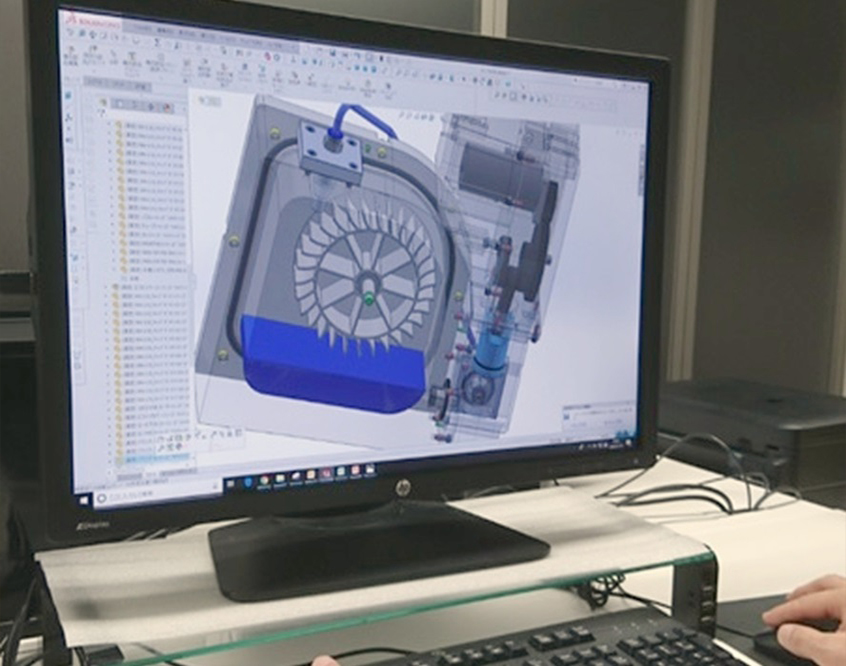
Design from Concept to CAD
We create design solutions, 3D modeling, mechanism design, and housing design based on your drawings, sketches, or concepts. INAC can design housings even from hand-drawn sketches.

Computer Graphics Verification
Computer graphics visualization is provided upon request to help avoid discrepancy between the actual product and your conceptual image. The 3D data and CG renderings are handed over to you for use in mass production planning.

Development Process
The process begins with an initial design consultation where drawings are not required. We create designs from sketches based on your overall image and concept. Once the design is determined, drawings and 3D models are created, examining both external design and functionalities such as mating and sliding.
After design verification, we proceed with prototype manufacturing. Decoration processes such as painting and plating can be applied if necessary. We provide follow-up support for design changes after prototype delivery.

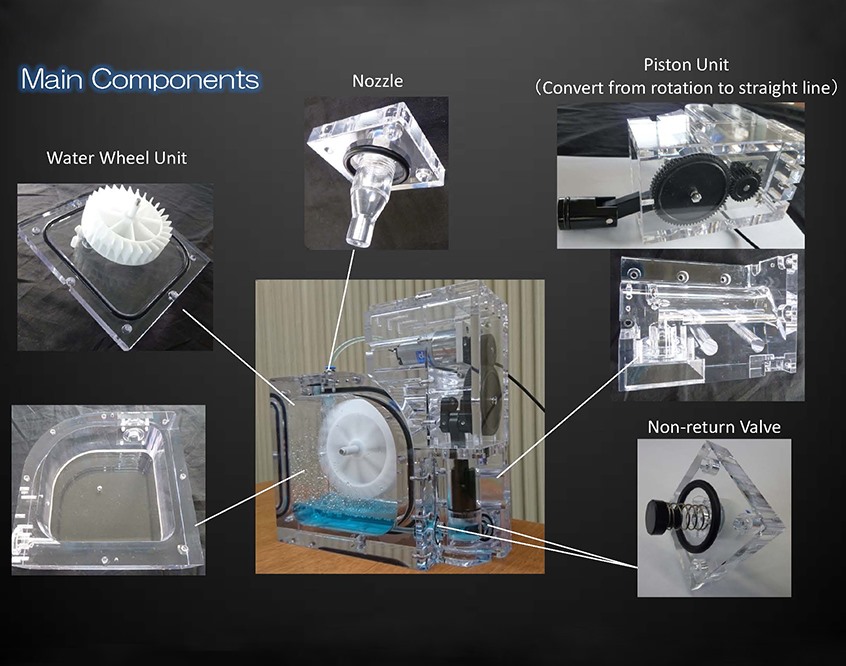
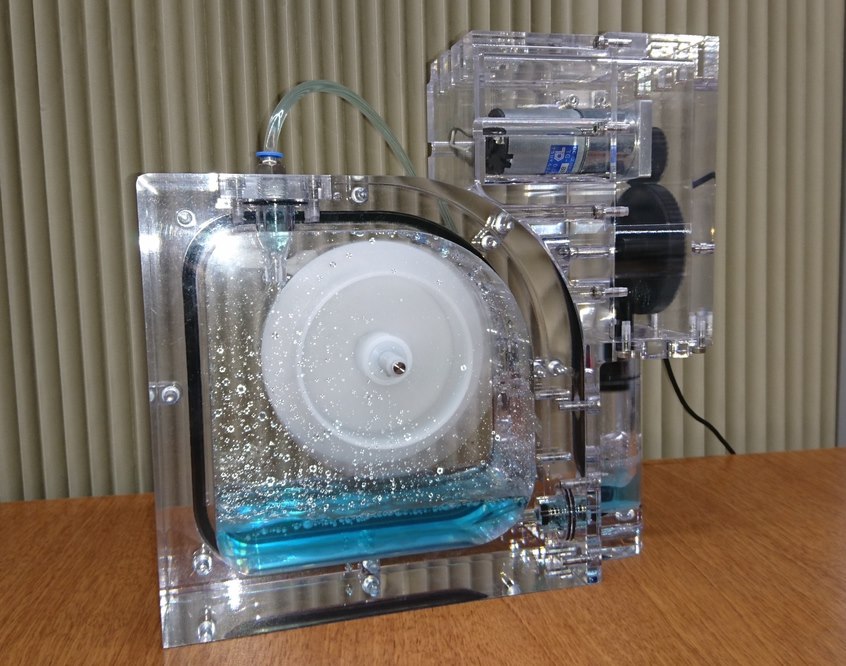
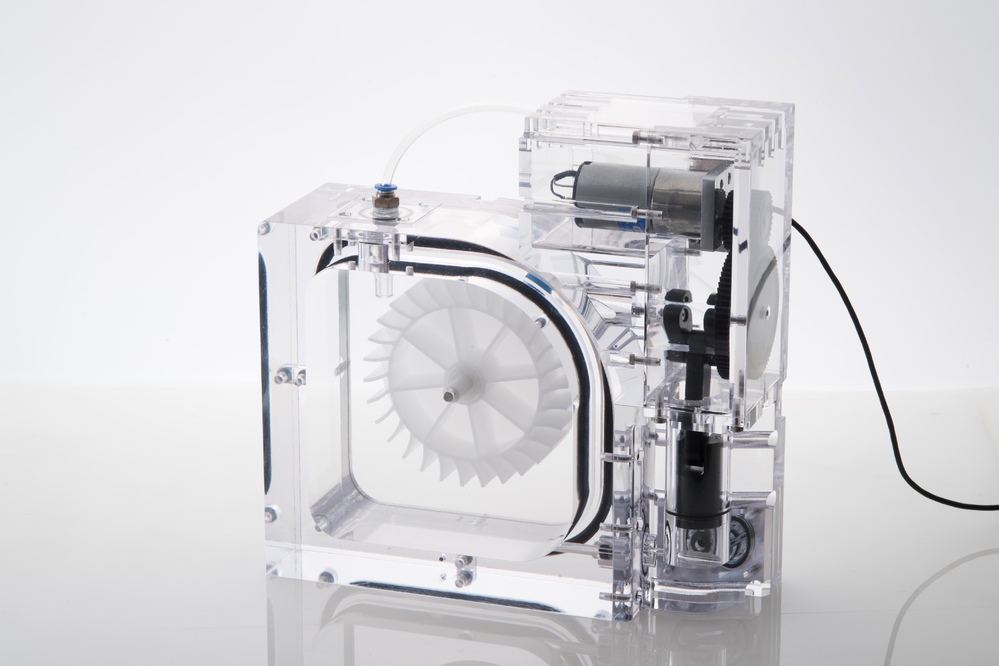
Example: Pump Mechanism Design
INAC has designed complex mechanisms including pump assemblies, creating exploded component views and functional working models that demonstrate mechanism operation.

Design Support
Our experienced team specializes in engineering your concepts and requirements into functional reality, supporting projects from initial ideas through prototype completion. We focus on transforming your specific design vision into manufacturable 3D models and mechanisms.
Please feel free to contact us to discuss how we can help realize your housing and design requirements.
Adequate support will be provided by our experienced designers until prototype completion.

Pump mechanism design

Exploded view of components

Pump in operation

STEP5: Quality Assurance and Precision Inspection

A quality inspection is performed. At INAC, where quality comes first, we use CMMs, gauges, and other equipment for precision checks.

STEP4: Post-Processing and Finishing

Finishing is done by removing the supports, polishing, and applying transparency treatment. It is also possible to paint and apply plating to the formed product.

STEP3: UV-Laser Print Formation (SLA Process)

Output: The product is formed by irradiating the liquid with a laser beam of UV light and laminating it. The conditions of the external environment, such as room temperature and humidity, must be maintained.

STEP2: Model Program Generation and Support Adjustment

A program for model formation is created. Depending on the shape, it may be necessary to adjust the degree of tilt and the position of the supports.

STEP1: CAD File Submission

Upload your CAD to our online quoting platform.

STEP 3: Rendering and Scene Integration

We can also handle exterior modeling and interior structure design based on illustrations. After creating the 3D models, we can create a rendering to fit a scene. We can deliver images even if we do not proceed with production.

STEP 2: Detailed Design and 3D Modeling

Once the design is determined, drawings and 3D models will be created. The structure will be examined, taking into consideration not only the external design but also functionalities such as mating and sliding.

STEP 1: Initial Design Consultation

The first step is a meeting to discuss the project. Drawings are not required for this meeting. We will create a design from a sketch based on the overall image and concept that you have in mind.

STEP5: Quality Assurance and Inspection

We perform quality inspections. At INAC, where quality comes first, we use CMMs, gauges, and other equipment for precision checks.

STEP4: Post-Casting Finishing

Vacuum casting materials are cured and then taken out of the silicone rubber mold. Then we perform finishing such as deburring and gating, and they are made into finish products.

STEP3:Material Injuction

Liquid casting material is injected into the silicone rubber mold in a vacuum environment. 

STEP2: Mold Preparation

The silicone mold is cut open into a male and female mold, and the master model is removed.

STEP1: Mold Creation

The master model is fixed to a wooden frame and silicone is poured to create a mold.