Acrylic (PMMA) Prototyping Service
Overview of Acrylic (PMMA)
Acrylic (PMMA) Material Properties
| Density | 1.18 g/cm³ |
|---|---|
| Elongation at Break | 2–5% |
| Tensile Strength | 60–70 MPa |
| Impact Strength (Notched Izod, 73 °F) | 2–5 kJ/m² |
| Hardness | Rockwell M90–100 (M-scale)(approximately Shore D 80–85) |
| Flexural Strength | 80–110 MPa |
| Heat Deflection Temp. (HDT @ 1.8 MPa) | 203–212 °F |
Note: Values may vary slightly depending on specific grades or formulations.
Benefits of Acrylic (PMMA)
Optical Clarity: Allows up to 92% light transmission, offering a clear, glass-like appearance.
Weather Resistance: Resistant to UV light and outdoor conditions, making it suitable for external or high-exposure applications.
Lightweight: Weighs about half as much as glass while still providing adequate rigidity and strength.
Versatile Processing: Can be easily machined, laser cut, thermoformed, or polished to achieve specific shapes and finishes.
Aesthetic Flexibility: Can be dyed, painted, or frosted, enabling custom looks for prototypes or display models.
INAC US’s Acrylic (PMMA) Prototyping Capability
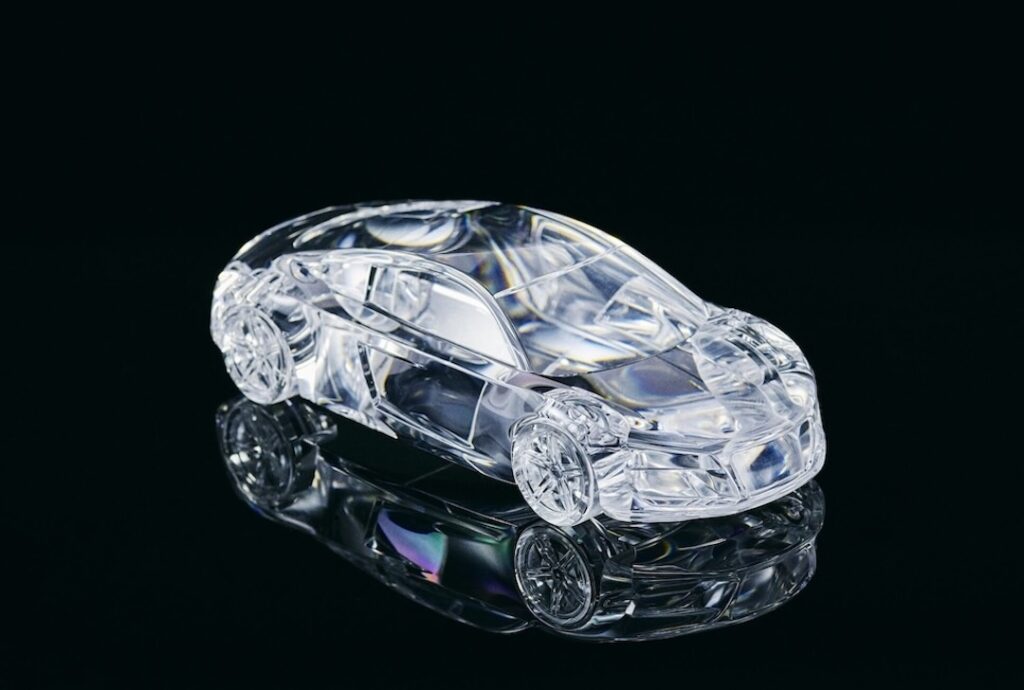
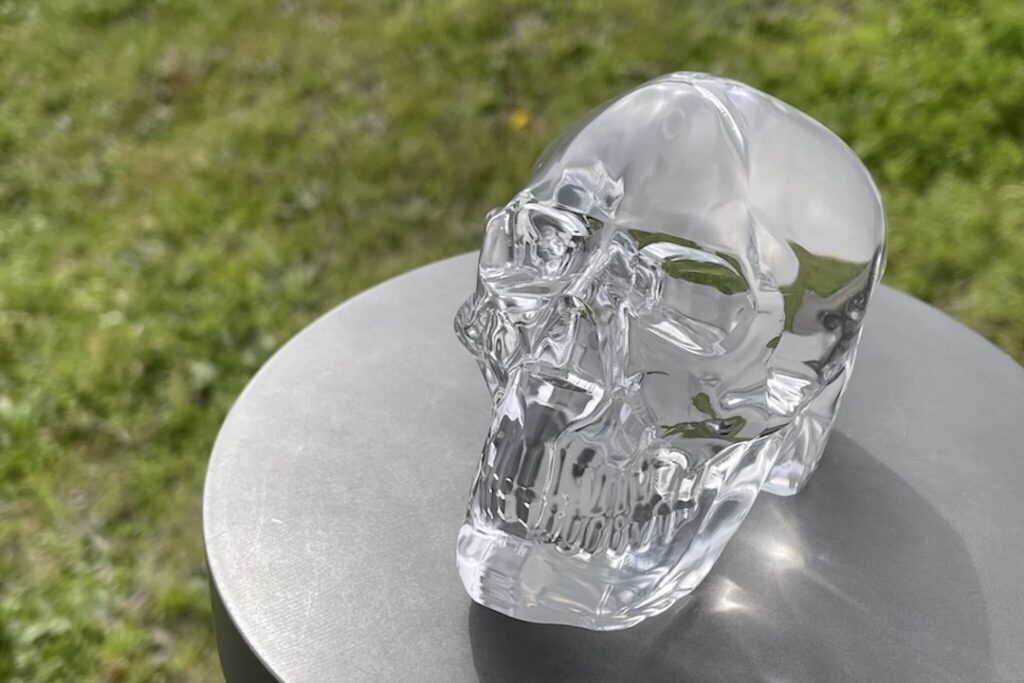
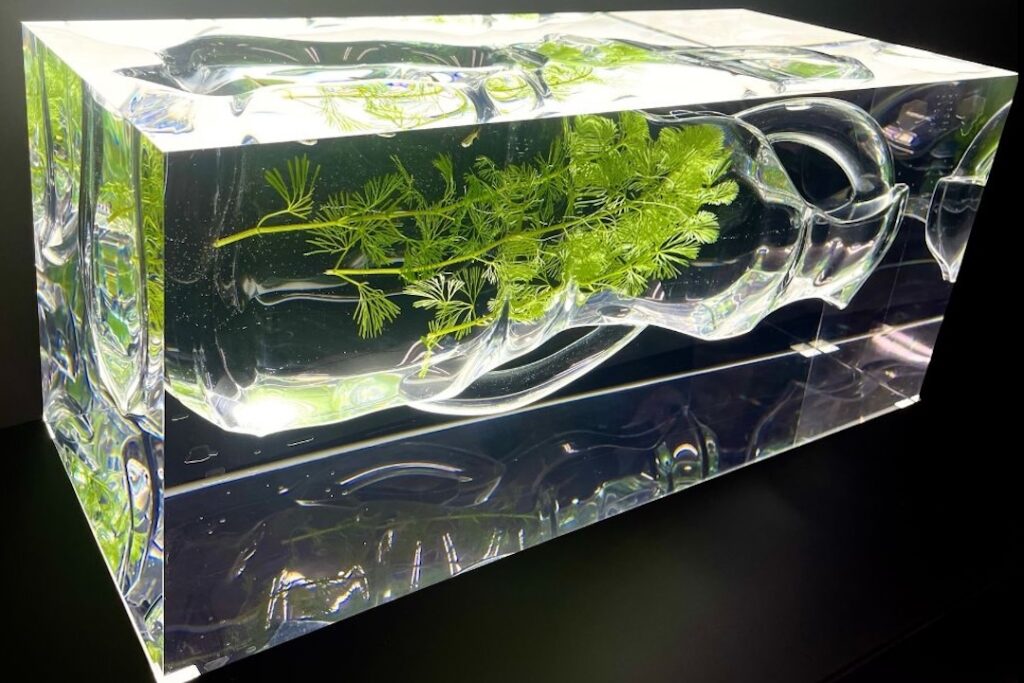
Acrylic (PMMA) Prototype Portfolio
Acrylic (PMMA) Prototyping Methods
CNC Machining
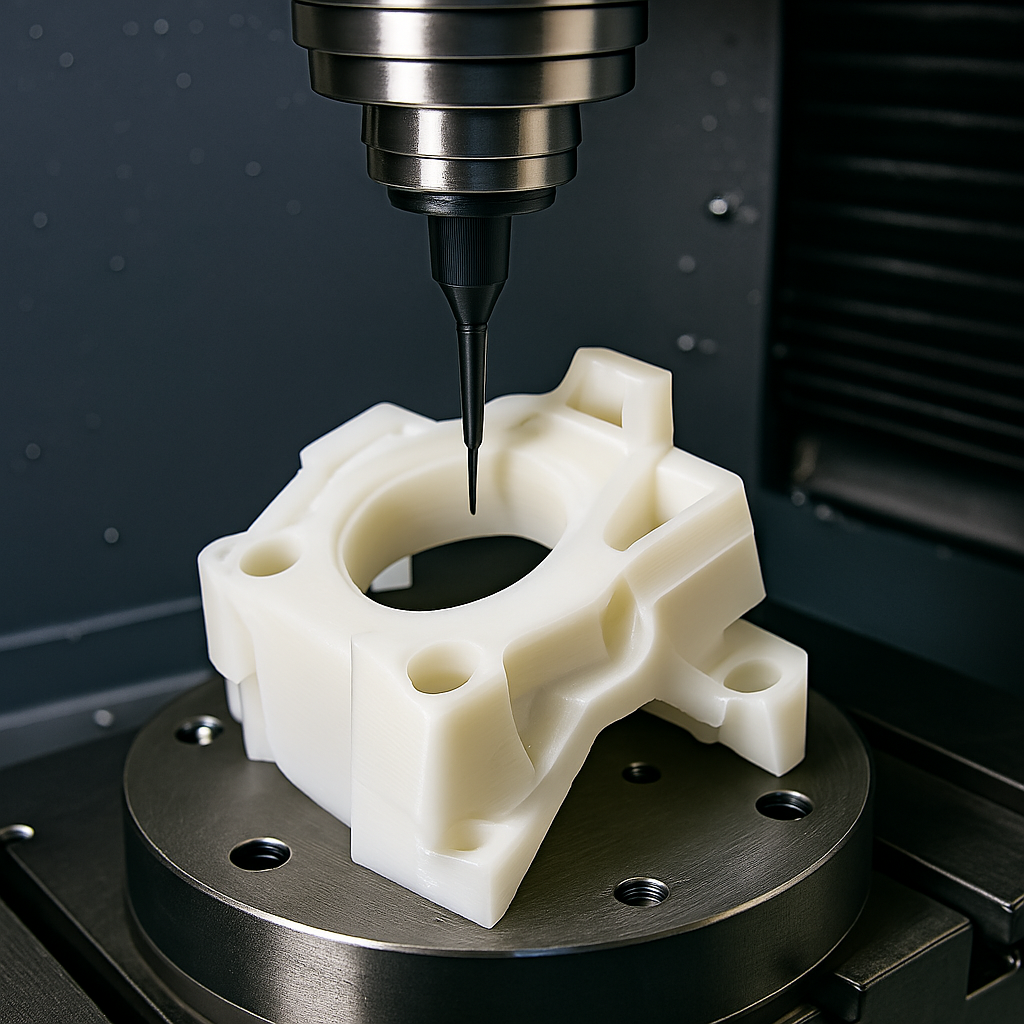
CNC machining delivers precise, smooth-finished acrylic parts with minimal distortion.
By using sharp tooling and controlled feeds, it’s possible to produce clear, polished edges and complex geometries.
This method is ideal for achieving tight tolerances and a highly refined surface appearance
Lathe Processing
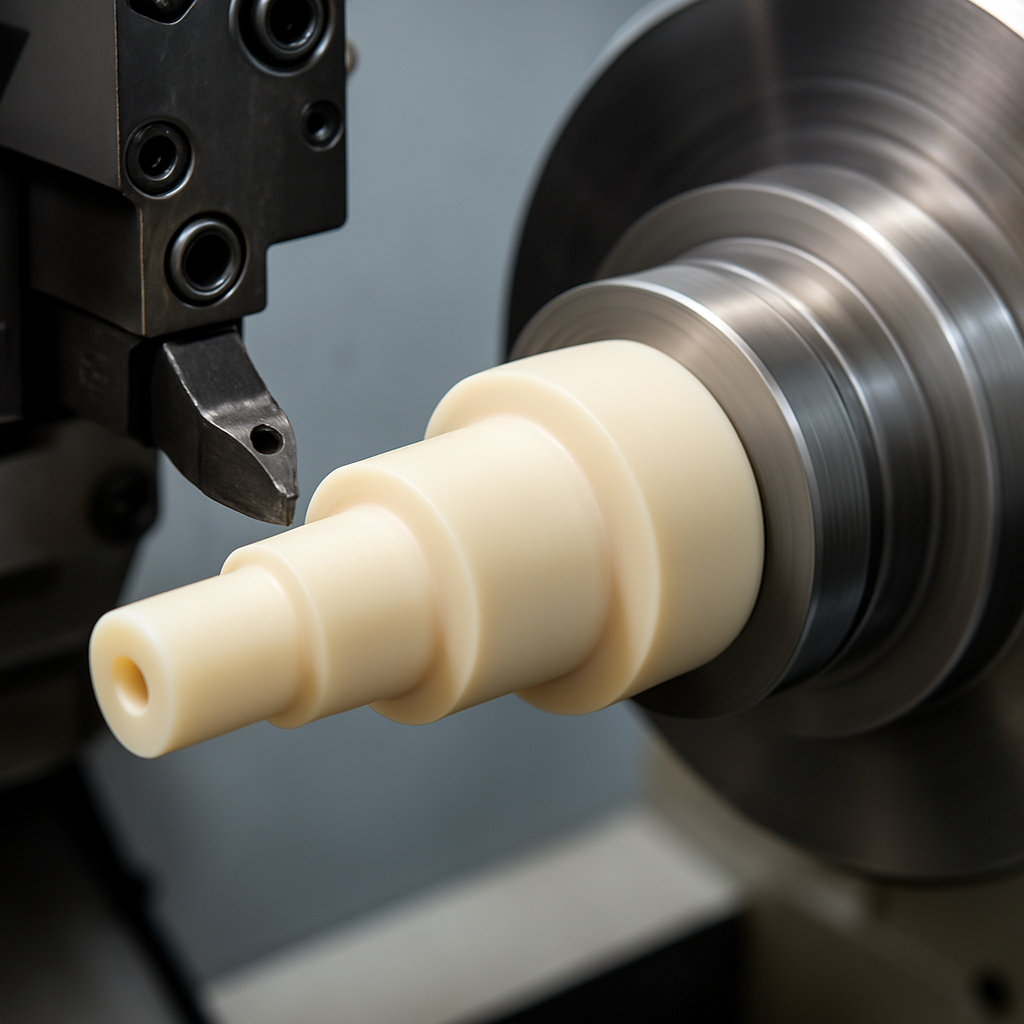
Lathe processing is excellent for producing cylindrical or rounded acrylic components.
The rotating operation ensures uniform shaping and can yield sleek, transparent surfaces when using fine tooling and careful polishing techniques.
This approach suits items such as tubes, rods, and disc-like prototypes.
FAQ about INAC US's Acrylic (PMMA) Prototyping Service
A. Lead times vary based on part complexity, but our standard turnaround is typically 5–10 business days. Expedited options may be available upon request.
A. Absolutely. By using polishing or careful CNC machining, we can produce clear and visually appealing prototypes.
A. Yes. Acrylic (PMMA) offers good UV resistance and weatherability, making it a strong choice for outdoor signage, display cases, or other exterior components.
A. We provide sanding, polishing, painting, laser etching, and even assembly services to help finalize your prototypes. These techniques can improve aesthetics, fit, and functionality.
A. Absolutely. We cater to one-off prototypes as well as short production runs. Our flexible manufacturing approach accommodates various project sizes and budgets.
Start Prototyping Today with INAC US
Let us bring your Acrylic (PMMA) prototypes to life.
With our dedicated team and cutting-edge facilities, we manage every step—from design consultation to final inspection—ensuring top-tier quality and fast turnaround.
Contact us now to discuss your project requirements and discover how our Acrylic prototyping services can help you succeed.
Guide to Acrylic (PMMA) Prototyping
What Is Acrylic (PMMA) Material?
Acrylic, also known as PMMA (Polymethyl Methacrylate), is a transparent thermoplastic renowned for its exceptional clarity and weather resistance.
It offers a glass-like appearance while being significantly lighter and more shatter-resistant.
Acrylic is also easy to machine, polish, and bond, which makes it an excellent choice for display cases, light covers, signage, and other aesthetic applications.
Its versatile properties allow for both functional and visual prototyping, providing designers and engineers with a material that is both visually striking and relatively durable.
Grades of Acrylic (PMMA) Material
| Grade | Value |
|---|---|
| General-Purpose Acrylic (PMMA) | This is the most widely used grade, offering high optical clarity, good impact resistance, and UV stability. It is used for display cases, signage, windows, and decorative panels. |
| Optical-Grade Acrylic | This ultra-clear grade has low haze and high light transmission, making it suitable for lenses, light guides, and precision optical components where visual accuracy is critical. |
Applications of Acrylic (PMMA) Prototypes
Comparing to Acrylic Other Engineering Plastics
| Plastic | Description |
|---|---|
| ABS (Acrylonitrile Butadiene Styrene) | – Good Impact Strength: The butadiene content provides toughness and shock resistance. – Easy Processing: Commonly injection molded; also suitable for 3D printing (FDM). – Balanced Properties: Offers moderate strength, decent chemical resistance, and good dimensional stability. |
| PC(Polycarbonate) | – High Impact Resistance: Often used for safety shields, machine guards, and protective screens. – Optical Clarity: Up to 90% light transmission, though prone to scratching without hard coatings. – Heat & Flame Resistance: Can withstand elevated temperatures; available in flame-retardant grades (UL 94 V-0). – Dimensionally Stable: Retains shape under load, making it suitable for precision parts. |
| POM(Polyoxymethylene) | – High Stiffness & Low Friction: Excellent for gear teeth, bearings, and wear strips. – Dimensional Stability: Minimal moisture absorption, retaining tight tolerances. – Good Chemical Resistance: Withstands many solvents, fuels, and lubricants. |
| PP (Polypropylene) | – Lightweight & Affordable: One of the lowest densities among engineering plastics, making it cost-effective. – Good Chemical & Moisture Resistance: Does not absorb water readily, resists many acids and bases. – Flexible in Thin Sections: Used in living hinges. |
| Nylon | – Excellent Toughness & Wear Resistance: Ideal for moving or sliding parts. – Varied Grades: Nylon 6, 6/6, 12, etc., each offering different stiffness, moisture absorption, and temperature performance. – Good Fatigue Strength: Retains mechanical integrity under repeated stress. |
| PEEK (Polyether Ether Ketone) | – High Temperature Tolerance: Can sustain mechanical properties up to ~480°F. – Chemical & Hydrolysis Resistance: Suitable for harsh chemical environments; steam-sterilizable. – Biocompatibility: Certain grades used in medical implants. – Low Outgassing: Ideal for aerospace applications. |
| PPS(Polyphenylene Sulfide) | – High Thermal Stability: Can withstand continuous use at ~390–430°F. – Flame Retardant & Chemical Resistant: Excellent performance in corrosive and high-temperature conditions. – Good Dimensional Precision: Low coefficient of linear thermal expansion (CLTE). |
| PET(Polyethylene Terephthalate) | – Good Stiffness & Dimensional Stability: Suitable for precision mechanical parts. – Low Moisture Absorption: Minimizes swelling or warpage. – Chemical Resistance: Resists oils, solvents, and mild acids. |
| PBT(Polybutylene Terephthalate) | – Good Electrical Insulation: Ideal for connectors, switches, and other E/E parts. – Dimensional Stability: Low shrinkage, low moisture absorption, good for tight tolerances. – Chemical & Heat Resistance: Withstands automotive fluids and moderate temperatures (~302–320°F). |
If you have something you want to make, please contact us. Even a rough idea is OK. We will give shape to your idea and deliver it to you. Please feel free to contact us.