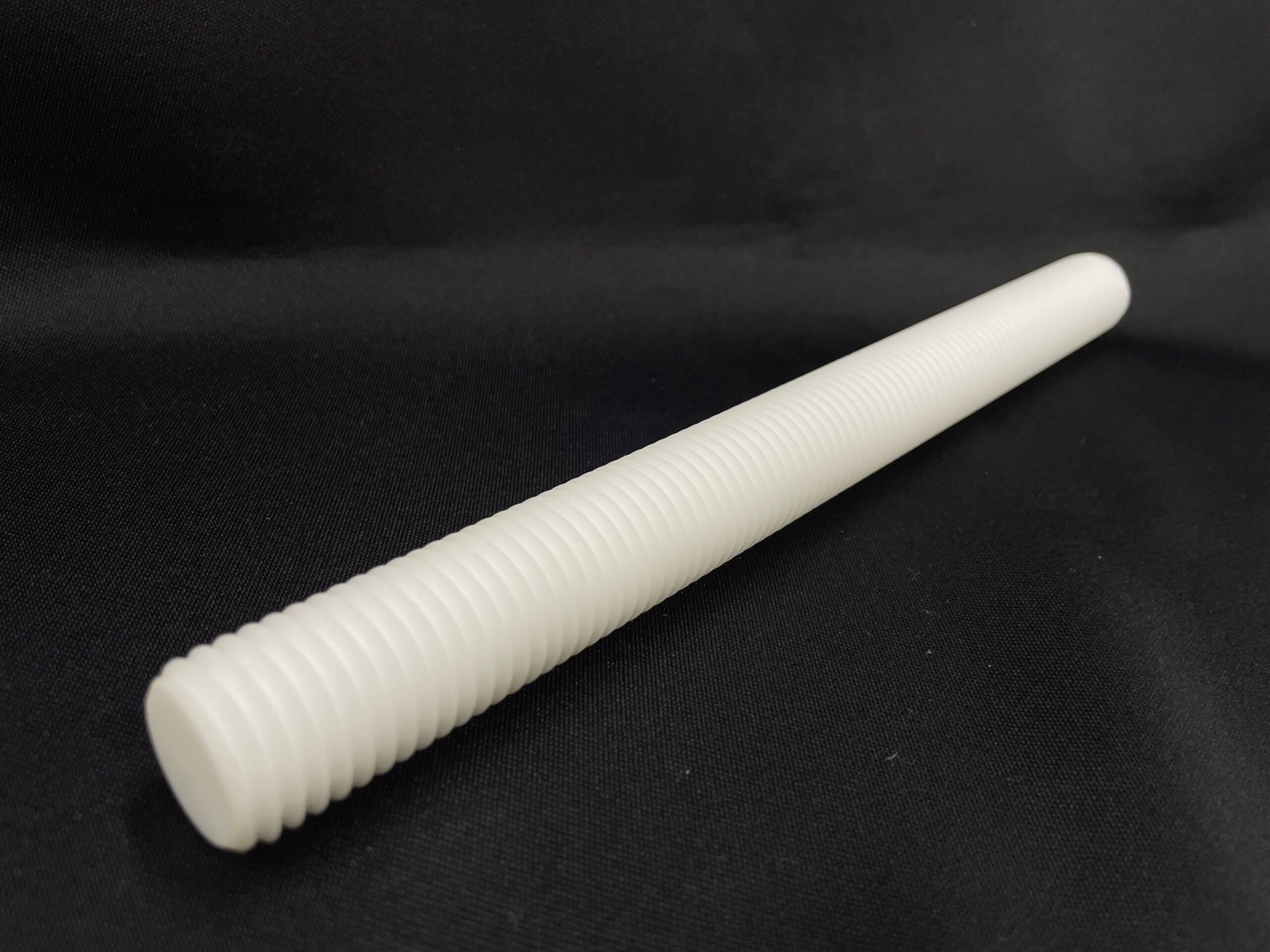
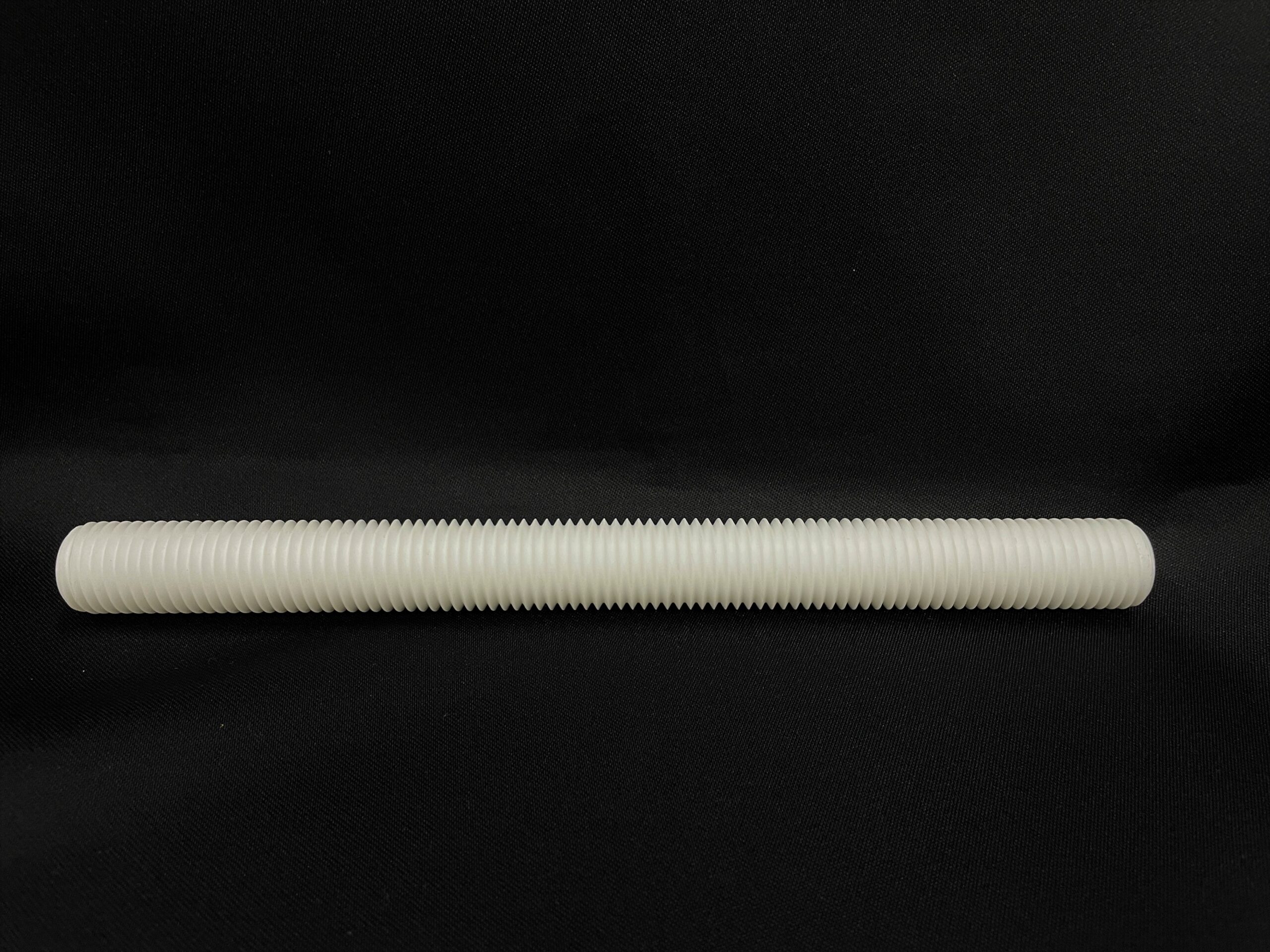
INAC provides CNC turning and lathing services for PTFE (polytetrafluoroethylene) materials. This specialized machining capability is available alongside our CNC machining, offering clients comprehensive manufacturing solutions for precision components.
Material: PTFE
PTFE is a high-performance fluoropolymer material known for its exceptional chemical resistance, low friction properties, and wide temperature operating range. INAC’s lathe processing services enable the production of cylindrical PTFE components with precise dimensional tolerances.
Lathe Processing Capabilities
Our lathe processing and combined lathe materials processing services handle both resin and ferrous and non-ferrous metal materials. The turning and lathing process is particularly well-suited for creating cylindrical parts, shafts, bushings, seals, and other rotationally symmetric components from PTFE material.
Quality Assurance
At INAC, where quality comes first, quality inspections are performed using coordinate measuring machines (CMMs), gauges, and other precision equipment to ensure dimensional accuracy of lathed components.
Comprehensive Manufacturing Services
INAC offers lathing as part of a complete range of manufacturing methods including CNC milling, CNC machining, 3D printing, vacuum casting, and sheet metal processing. This allows us to recommend the optimal production method for your specific component requirements.
Design and Engineering Support
Our experienced designers provide adequate support throughout the manufacturing process until prototype completion. Whether you need PTFE lathing as a standalone service or as part of a larger assembly, our team is ready to assist with your project requirements.